
Frontieras North America And Venezuela’s Industrial Reset: Turning Heavy, Sour Crude Into Fertilizer, Fuels, and National Recovery
Venezuela’s oil challenge has never been a lack of resources. It has been a mismatch between what the country produces and what traditional refining systems were designed to handle.
Venezuelan crude—especially from the Orinoco Belt—is among the heaviest and most sour in the world. For decades, that reality forced Venezuela into a fragile model: blending its crude with lighter imports, exporting discounted barrels, and absorbing the economic penalty of high sulfur content.
But what if that sulfur was never a liability? What if it was the foundation of a new industrial strategy?
This is where Frontieras North America enters the Venezuelan recovery conversation—not as a traditional oil company, but as a clean hydrocarbon and industrial chemistry innovator—applying Joe Witherspoon’s Witherspoon Method to turn Venezuela’s crude properties into a strategic advantage.
Venezuela’s Crude Reality: Heavy, Sour, and Misunderstood
Venezuelan oil is extremely heavy, high in sulfur, difficult to transport without blending, and penalized in global crude markets. Under conventional refining logic, sulfur is treated as a contaminant—something to remove, store, or dispose of at cost.
But sulfur is not waste. Sulfur is industrial leverage.
Sulfuric Acid: The King Of Chemicals
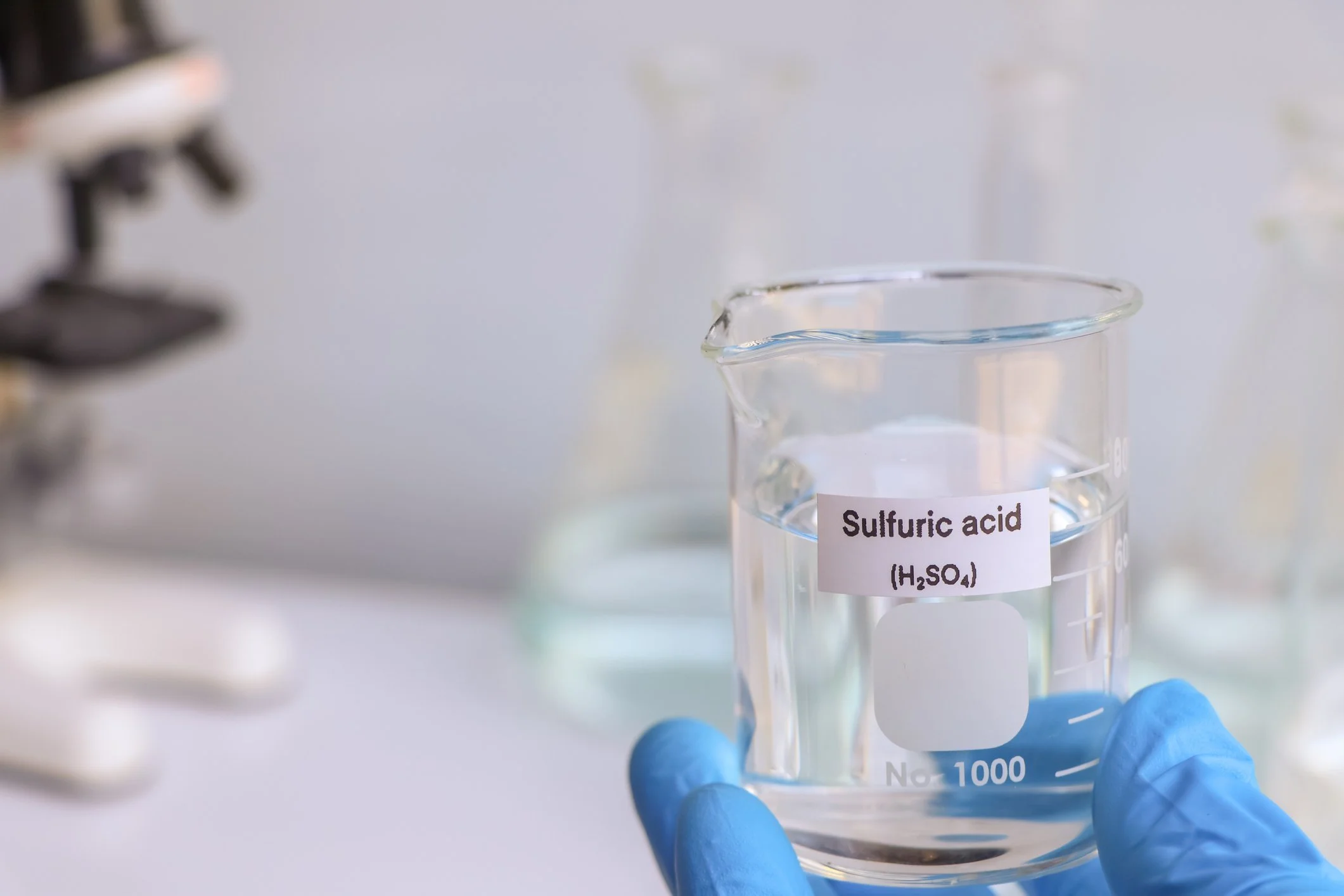
Sulfuric acid is often called the king of chemicals because its production volume directly reflects a nation’s industrial capacity. It is essential to fertilizer production, mining and metals, water treatment, gasoline and chemical manufacturing, and energy processing.
Many countries import sulfur to produce sulfuric acid. Venezuela does not need to. The sulfur is already embedded in its crude.
Frontieras’ Insight: Stop Blending Crude — Start Building Industry
Frontieras’ approach rejects the idea that Venezuela’s oil must be fixed to fit global crude markets. Instead, the company refines for outcomes, not barrels.
Using the Witherspoon Method, sulfur recovered from sour crude is converted into sulfuric acid and then into ammonium sulfate fertilizer at scale—reframing oil processing as industrial manufacturing.
The Witherspoon Method: From Sour Crude To Agricultural Strength
Under the Witherspoon Method:
1. Sulfur inherent in Venezuelan crude is recovered during processing
2. That sulfur is converted into high-purity sulfuric acid
3. Sulfuric acid is reacted with nitrogen sources to produce ammonium sulfate fertilizer
4. Outputs serve both domestic agriculture and export markets
Joe Witherspoon On Economic Impact
“When you stop treating sulfur as a contaminant and start treating it as a primary product, the economics flip. What was once a discount on every barrel becomes a margin driver. For Frontieras, this means recurring revenue from fertilizer and industrial chemicals, not just exposure to oil price cycles. You’re monetizing chemistry that the market already demands, using feedstock that others penalize.”
Why Ammonium Sulfate Matters
Ammonium sulfate is valued globally for nitrogen delivery, sulfur nutrition, and soil performance. For Venezuela, domestic production reduces imports, lowers food costs, improves yields, and revitalizes rural economies.
Economic Implications
For Venezuela:
- Sulfur becomes revenue, not liability
- Agriculture gains domestic fertilizer supply
- Crude value is captured internally
- Industrial employment expands
For Frontieras North America:
- Long-term deployment of proprietary systems
- Recurring chemical and fertilizer revenues
- Reduced dependence on oil price volatility
- Alignment with energy and food security
Bottom Line
Venezuela does not need to make its oil lighter. It needs to make its economy stronger.
By leveraging sulfur-rich crude and applying the Witherspoon Method, Frontieras North America offers a recovery path rooted in chemistry, agriculture, and durable economics.
Energy. Reimagined.
For information on project collaboration or feasibility, please email: ProjectInquiries@frontieras.com