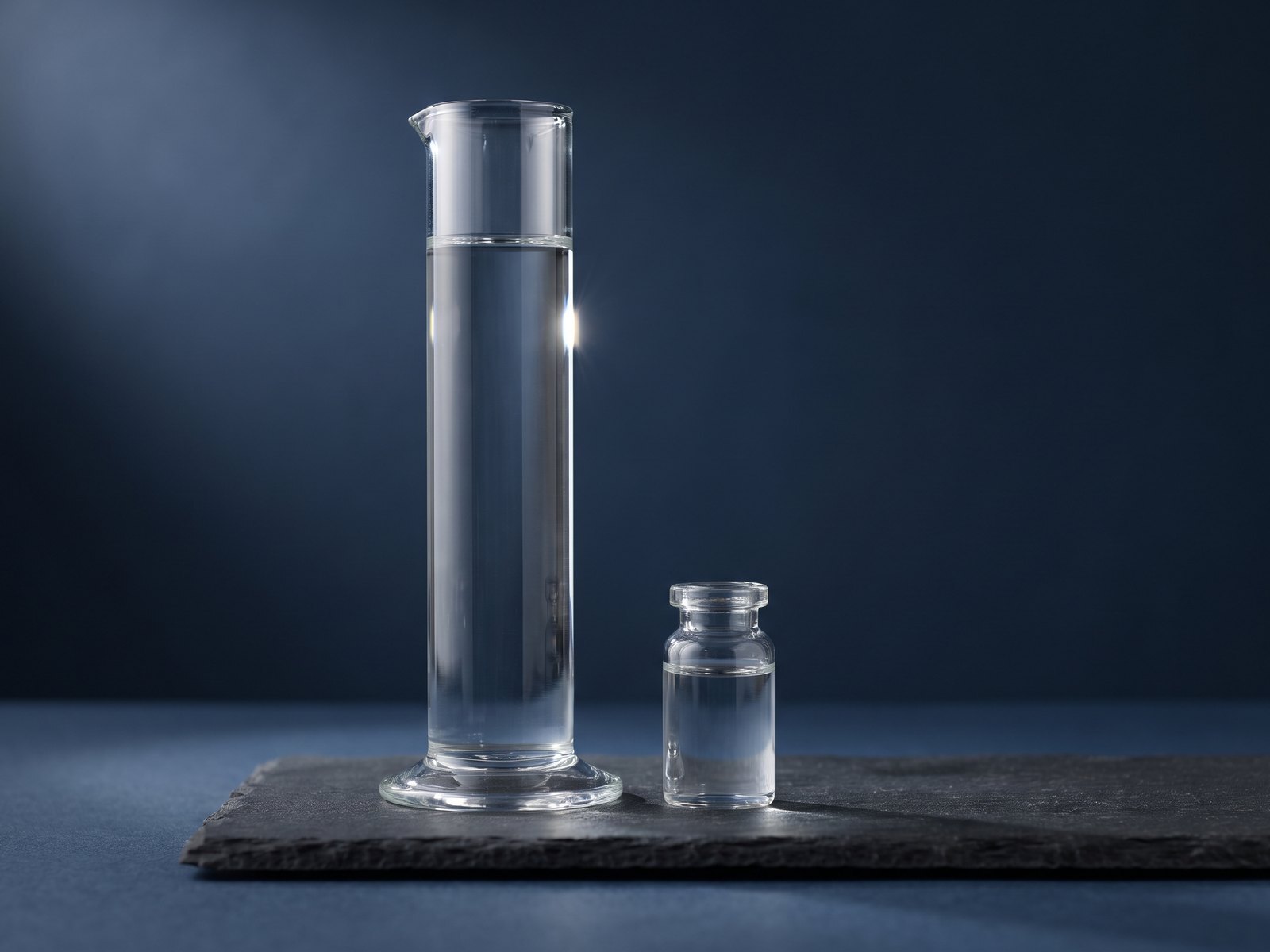
01 / Revenue stream
Naphtha
Petrochemicals
A light liquid intermediate for petrochemical feedstock and blending markets.
Discuss the technology
Frontieras’ patented FASForm™ process uses Solid Carbon Fractionation to unlock abundant fuels, chemicals, fertilizer, and more from coal. One feedstock turns into six product streams.
A closer look
How FASForm™ technology turns the world’s most abundant energy resource into fuels, fertilizer and industrial products.
Company video published October 6, 2026 · 4:46Watch on YouTube ↗Frontieras: The Next Standard in Energy Technology
Solid Carbon Fractionation
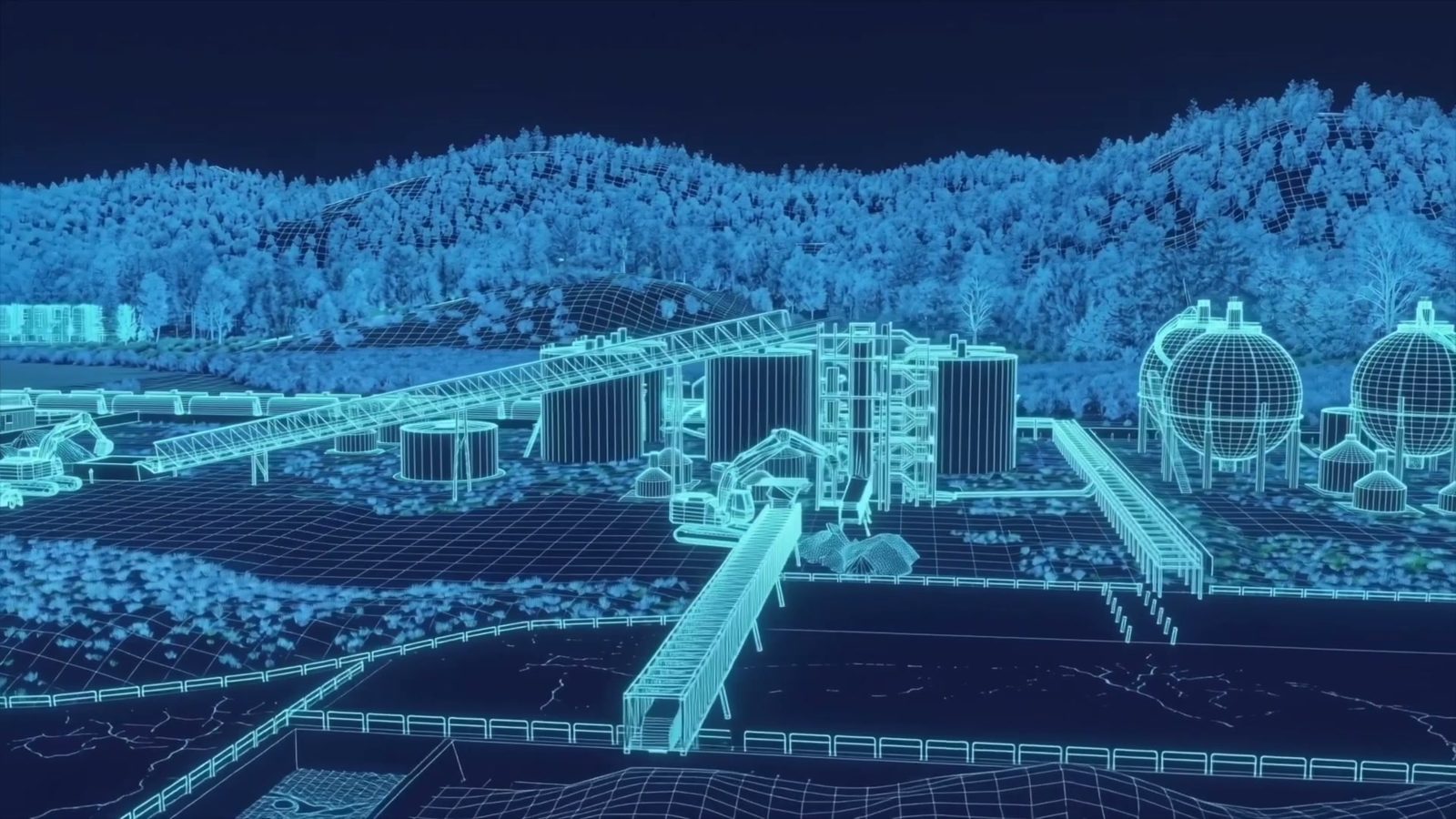
FASForm™ uses heat (not burning) to separate coal into solid carbon, liquids and gases, then refines each stream into a market product.
Sources: national patent grants; World Bank population, 2024; Ember, Global Electricity Review 2026; company design figures.
Frontieras’ CEO and CTO explain how Solid Carbon Fractionation works.
Company video published October 1, 2021 · 3:19Watch on YouTube ↗Our Technology: Solid Carbon Fractionation
Six revenue streams
Six products for energy, industry and agriculture, all from a single feedstock.
01 / Revenue stream
Petrochemicals
A light liquid intermediate for petrochemical feedstock and blending markets.
Discuss the technology ↗
02 / Revenue stream
Aviation
A jet fuel–grade kerosene fraction for aviation markets.
Discuss the technology ↗
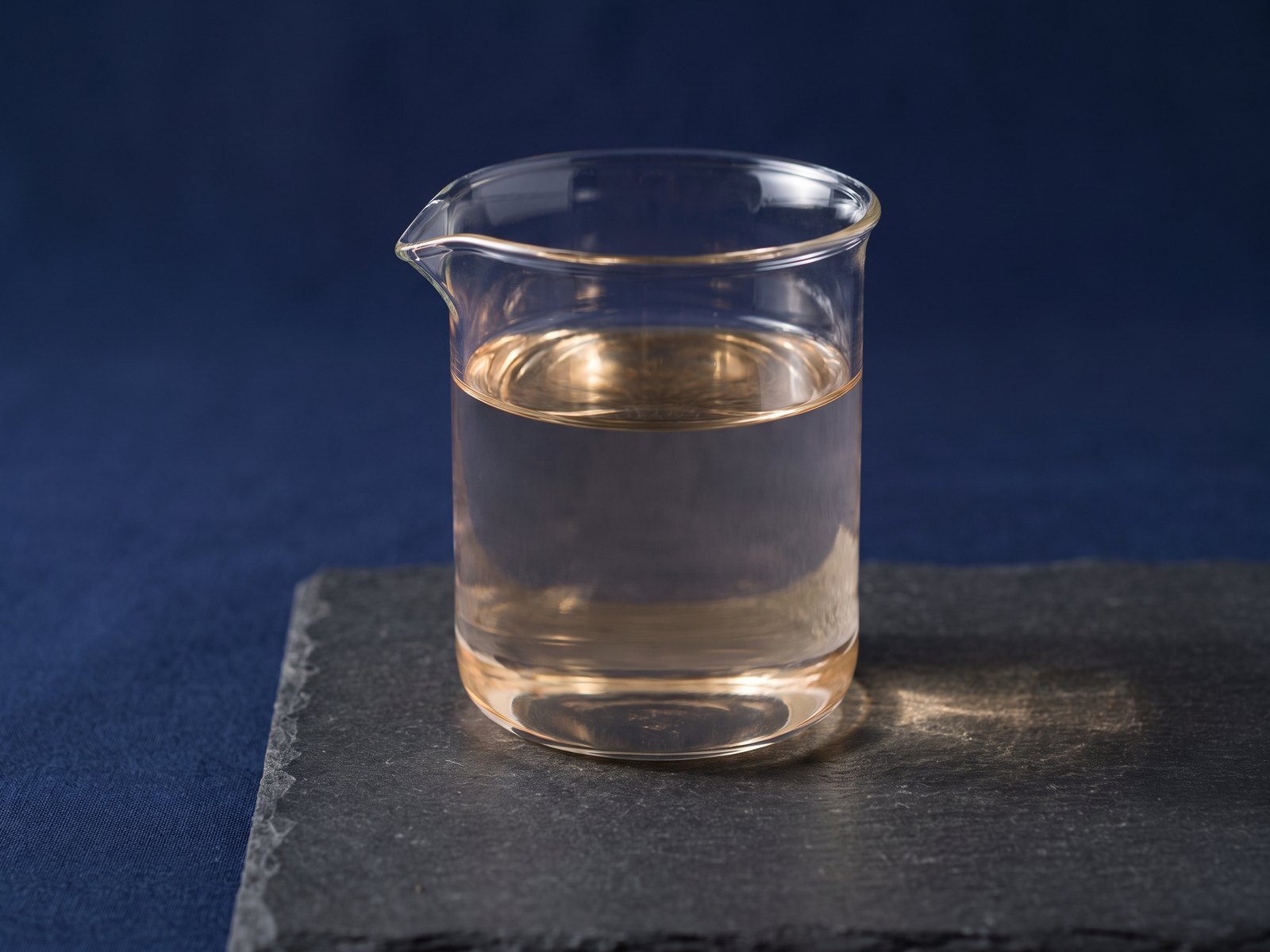
03 / Revenue stream
Transportation
A diesel-range liquid for transportation.
Discuss the technology ↗
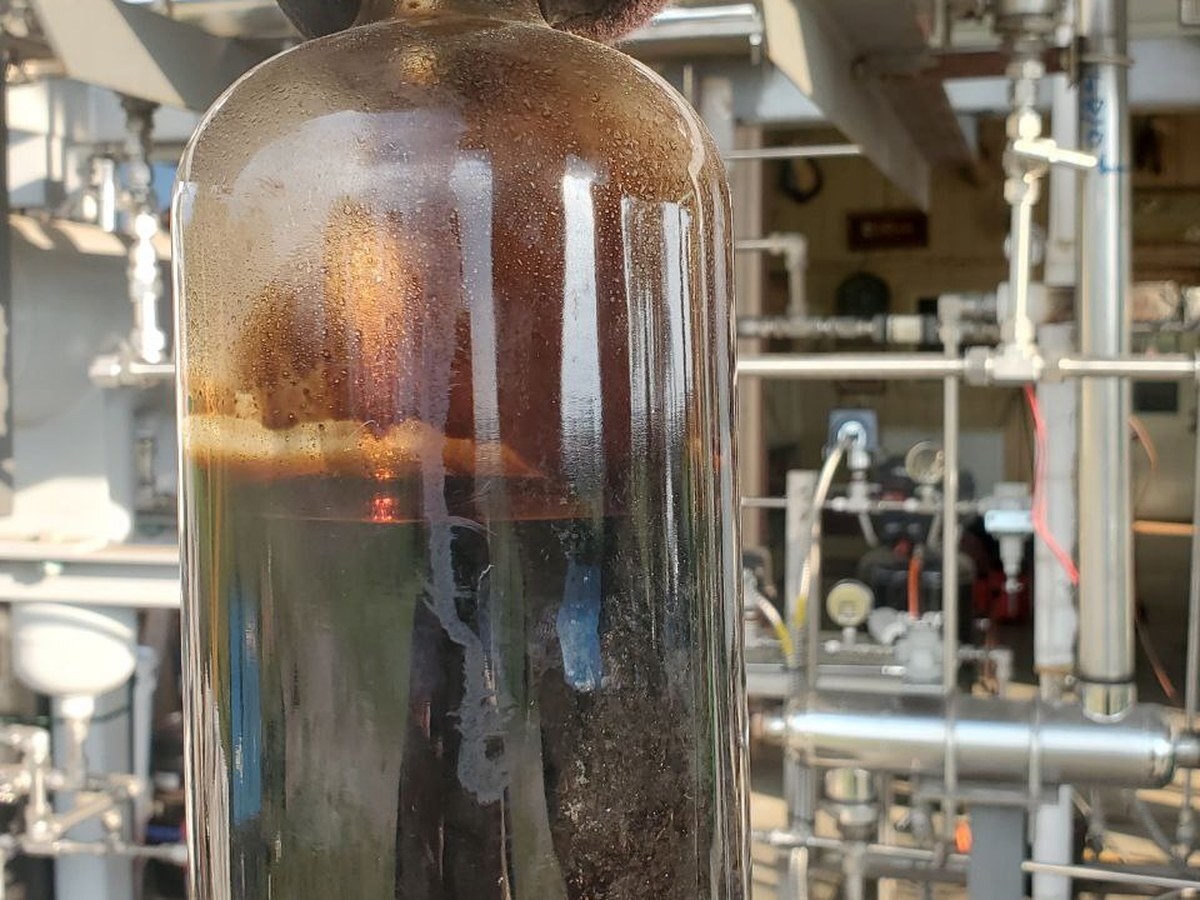
04 / Revenue stream
Power generation
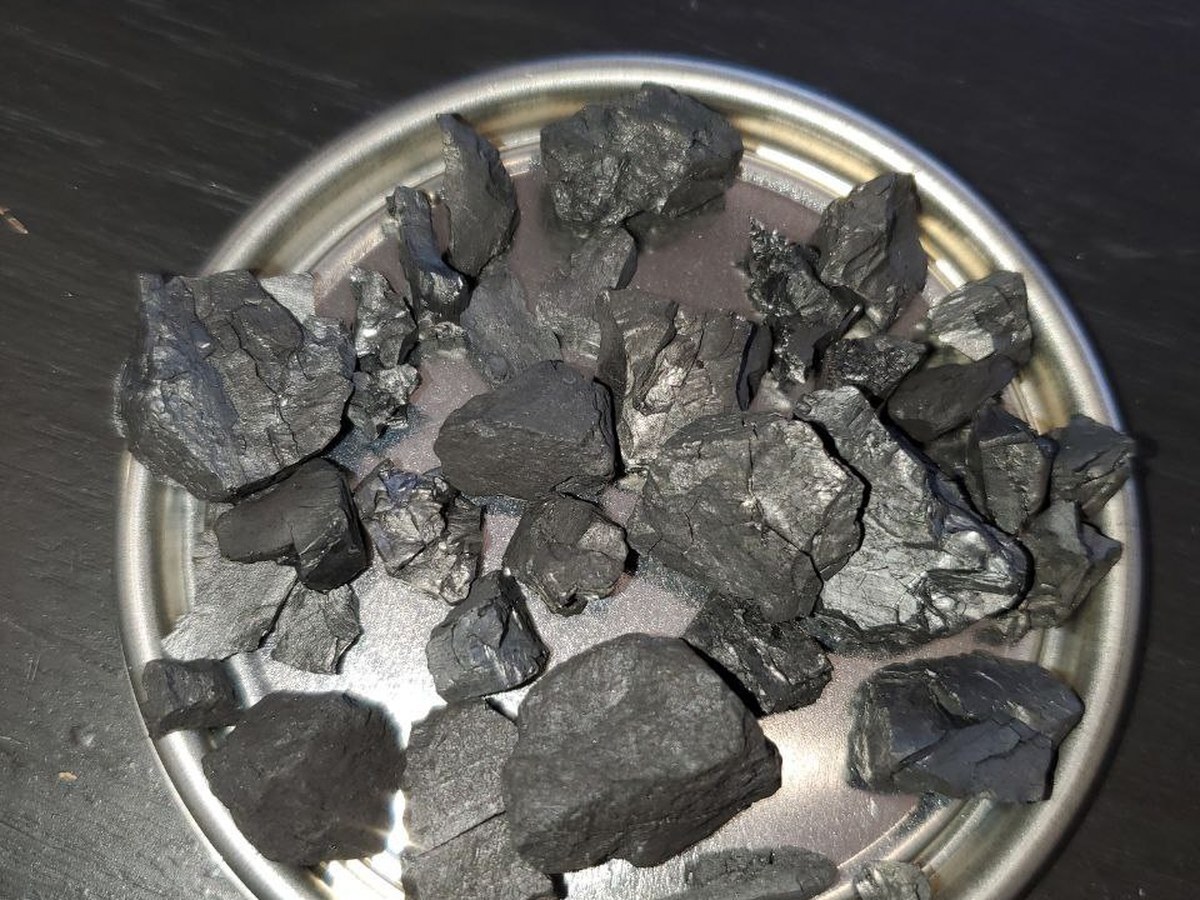
An upgraded solid-carbon product for thermal and industrial uses, with moisture and selected contaminants removed.
Discuss the technology ↗
05 / Revenue stream
Industrial chemistry
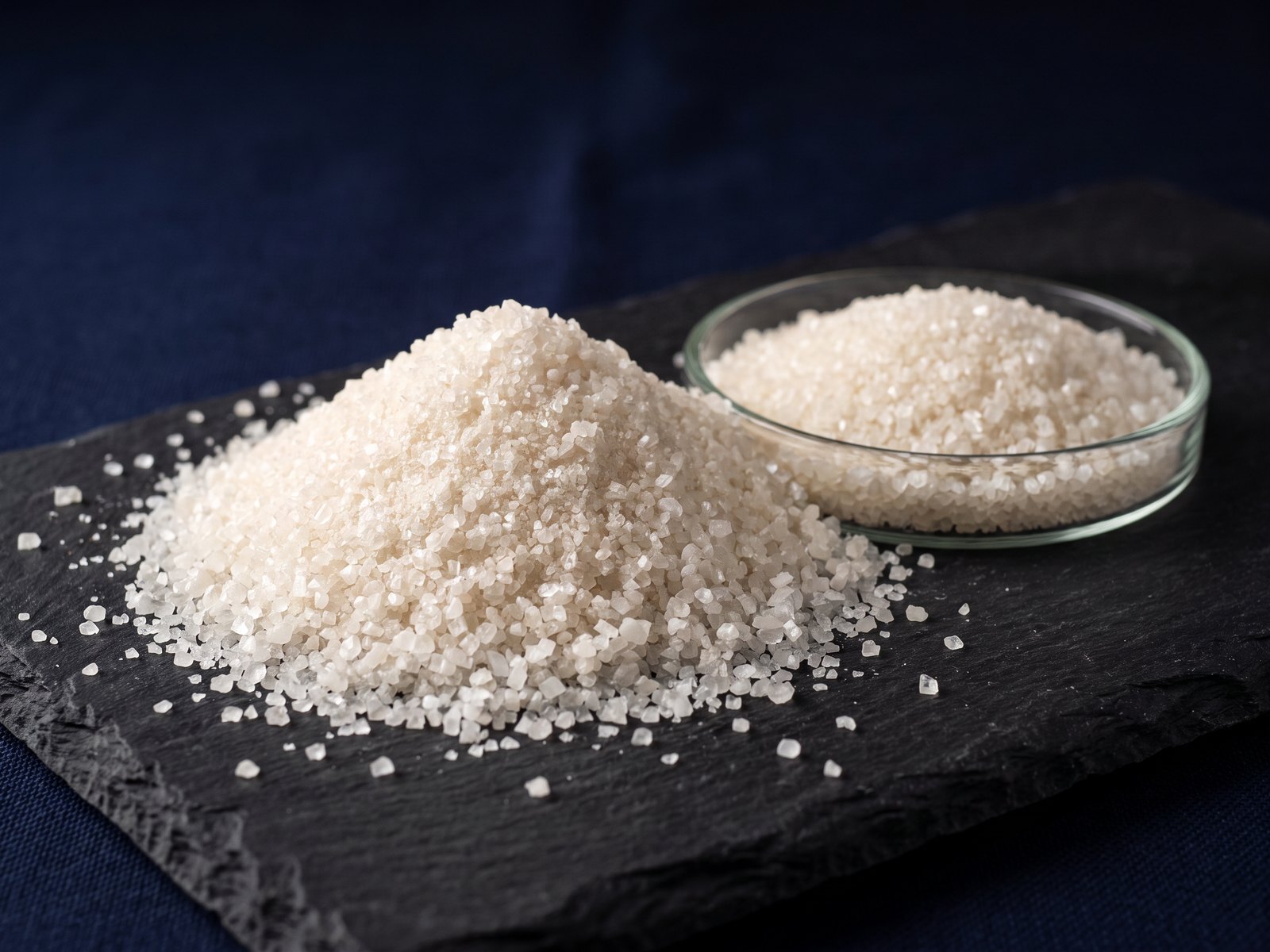
Sulfur captured from the feedstock is converted into sulfuric acid for industrial chemistry.
Discuss the technology ↗

06 / Revenue stream
Agriculture
Nitrogen captured from the feedstock is converted into ammonium sulfate fertilizer for agriculture.
Discuss the technology ↗
Hydrogen is produced and consumed on site as part of the process-fuel mix; it is not sold as a product.
01 Feedstock
Coal and other solid hydrocarbons enter the process.
02 Fractionate
Thermal separation and cracking, without burning the feedstock.
03 Recover
04 Refine
Refining and chemical conversion turn the recovered products into fuels, carbon and chemicals for energy, industry and agriculture.
Explore the six products ↘Hydrogen and methane go back to fuel the process
Solid carbonaceous feedstock — coal, lignite, and potentially other hydrocarbons such as oil sands or waste plastics — enters the FASForm™ unit.
A proprietary thermal and chemical process liberates volatiles, moisture, and contaminants from the solid carbon, separating the feedstock into distinct streams rather than burning it whole.
Liquid streams are processed downstream into diesel, naphtha and jet fuel–grade kerosene, while sulfur- and nitrogen-bearing streams are converted into chemical products.
The remaining solid-carbon stream becomes FASCarbon™, with moisture and selected contaminants removed.
Hydrogen and methane go back to fuel the process
Environmental stewardship
Design basis
Captured liquid, gas, solid-carbon and byproduct streams are converted into saleable products rather than discharged.
Company estimates
Because the coal isn’t burned, much of its carbon stays locked in FASCarbon™ instead of leaving as CO₂. Sulfur oxide emissions are estimated at roughly 97% below conventional coal combustion.
Contaminants
Moisture, sulfur, mercury and arsenic are removed from the solid carbon before it ships. Sulfur and nitrogen become sulfuric acid and fertilizer, and airborne mercury emissions are effectively eliminated.
Process fuel
Hydrogen and methane released during fractionation fire the plant’s heaters and help upgrade its fuels, minimizing the use of outside natural gas and external energy.
When embracing a philosophy of responsible environmental stewardship, Frontieras North America finds it valuable to recognize the difference between “pollution” and “waste.”
In any system where energy is consumed and materials are manufactured, waste is present. In any ecosystem or biological system, for example, organisms naturally generate waste as a byproduct of metabolism. In the construction of a home, building, or city, waste materials are the unused materials left from the construction process.
However, pollution can best be described as the unnecessary production of waste materials. Pollution is caused by the inefficient management of waste - in a world with growing populations, inefficient waste management, and rising levels of environmental pollution, innovative solutions are needed. Humans and animals thrive when there’s sufficient clean air, water, food, and systems to efficiently manage waste. Without a clean environment, humanity will suffer.
Core to Frontieras’ philosophy is the idea that the world’s environmental issues can be solved through technological innovation. Technological innovation allows humanity to expend more energy while producing less waste and pollution.
Frontieras’ patented FASForm™ technology, designed for zero waste, is this kind of innovation.
FASForm™ is the next generation of coal technology, and a major leap forward for the hydrocarbon energy industry as a whole. FASForm™ technology allows for greater extraction of energy, in the form of liquids, solids, and gases, through a process designed for zero waste. It’s a cleaner, more efficient paradigm, and as populations grow and demand for resources increases, FASForm™ is the type of innovation the world needs.
Process technology, engineering, automation and planned operations for the first commercial facility. Each role below is drawn from the company's filed materials and public announcements.