Newsroom
News & insights
Company announcements, industry perspectives, and the people moving Frontieras forward.
Browse all articlesArticles
Frontieras North America Joins Cadillac Formula 1® Team as Official Energy Transformation Partner
Read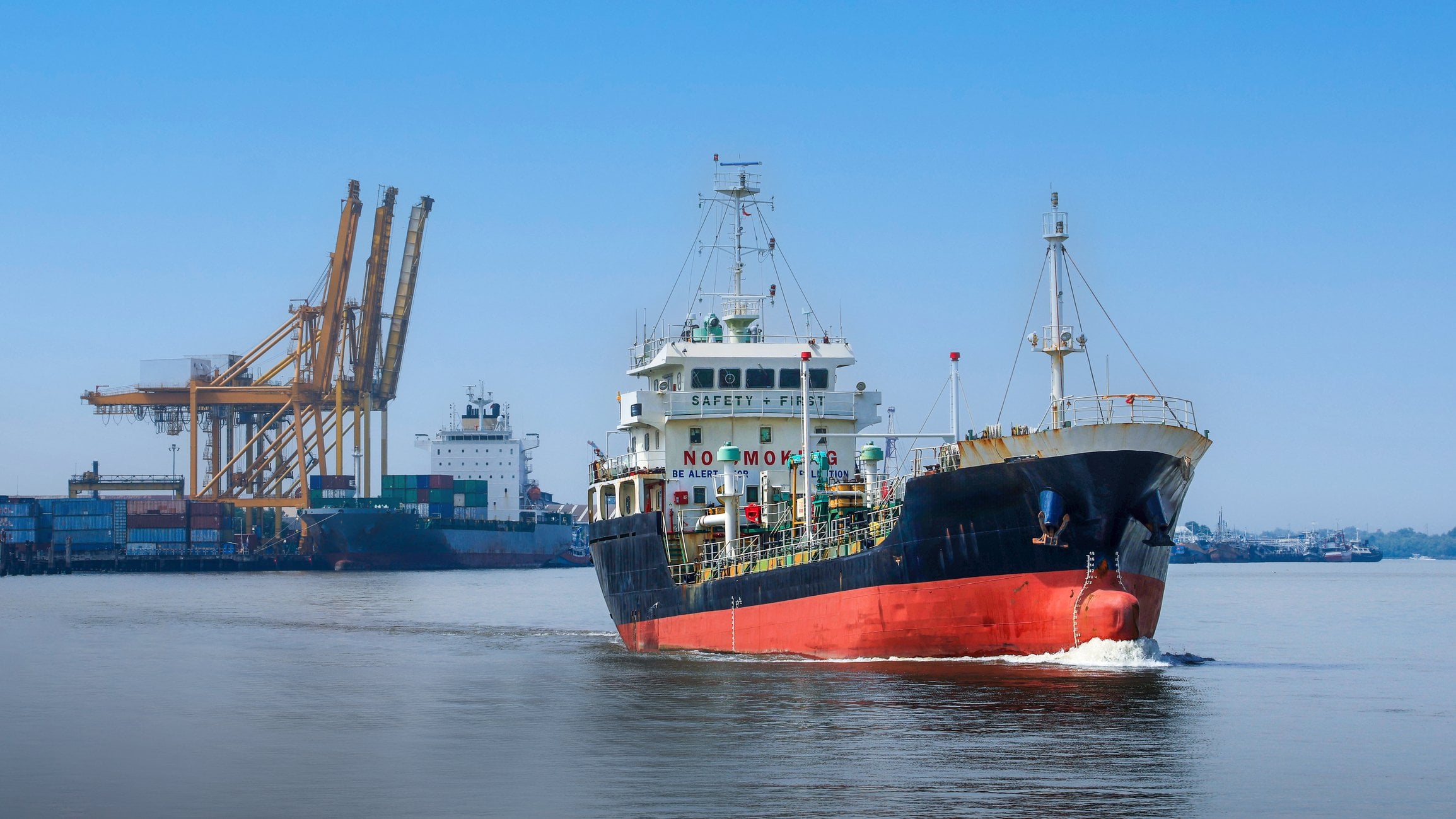
Frontieras and the Diesel Crisis: New Refining Capacity Outside the Chokepoints
Read
Frontieras North America Selects Kiewit for Front-End Engineering and Design of Mason County Facility
Read.png)
Frontieras North America Signs LOI with Cora Terminal for Multi-Phase FASForm™ Deployment on the Mississippi River
Read
Frontieras North America Announces Confidential Submission of Draft Registration Statement for Proposed Initial Public Offering
Read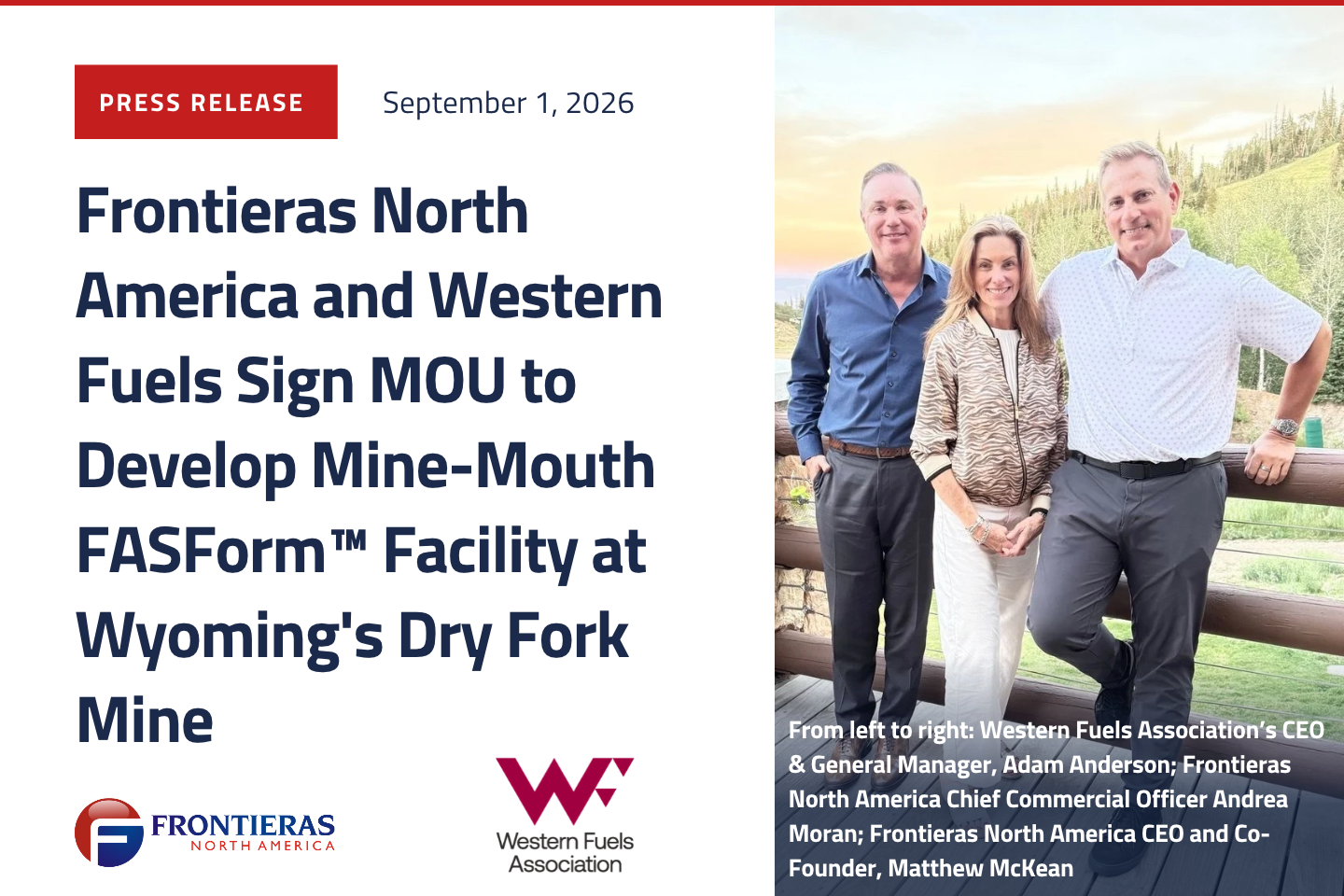
Frontieras North America and Western Fuels Sign MOU to Develop Mine-Mouth FASForm™ Facility at Wyoming's Dry Fork Mine
Read
The Four Pillars
Read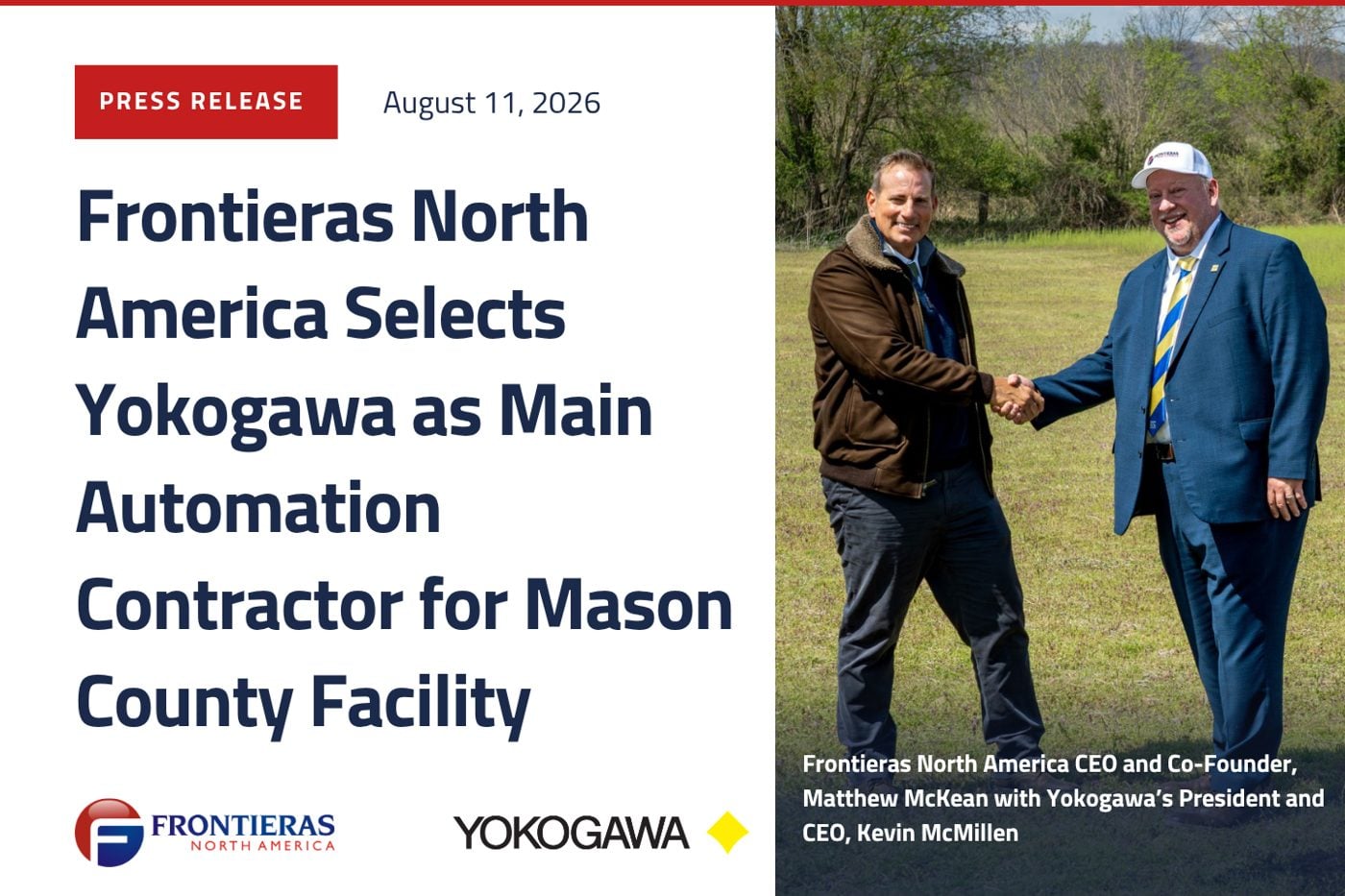
Frontieras North America Selects Yokogawa as Main Automation Contractor for Mason County Facility
Read
Frontieras Is Building a Headquarters in the Energy Capital of the World
Read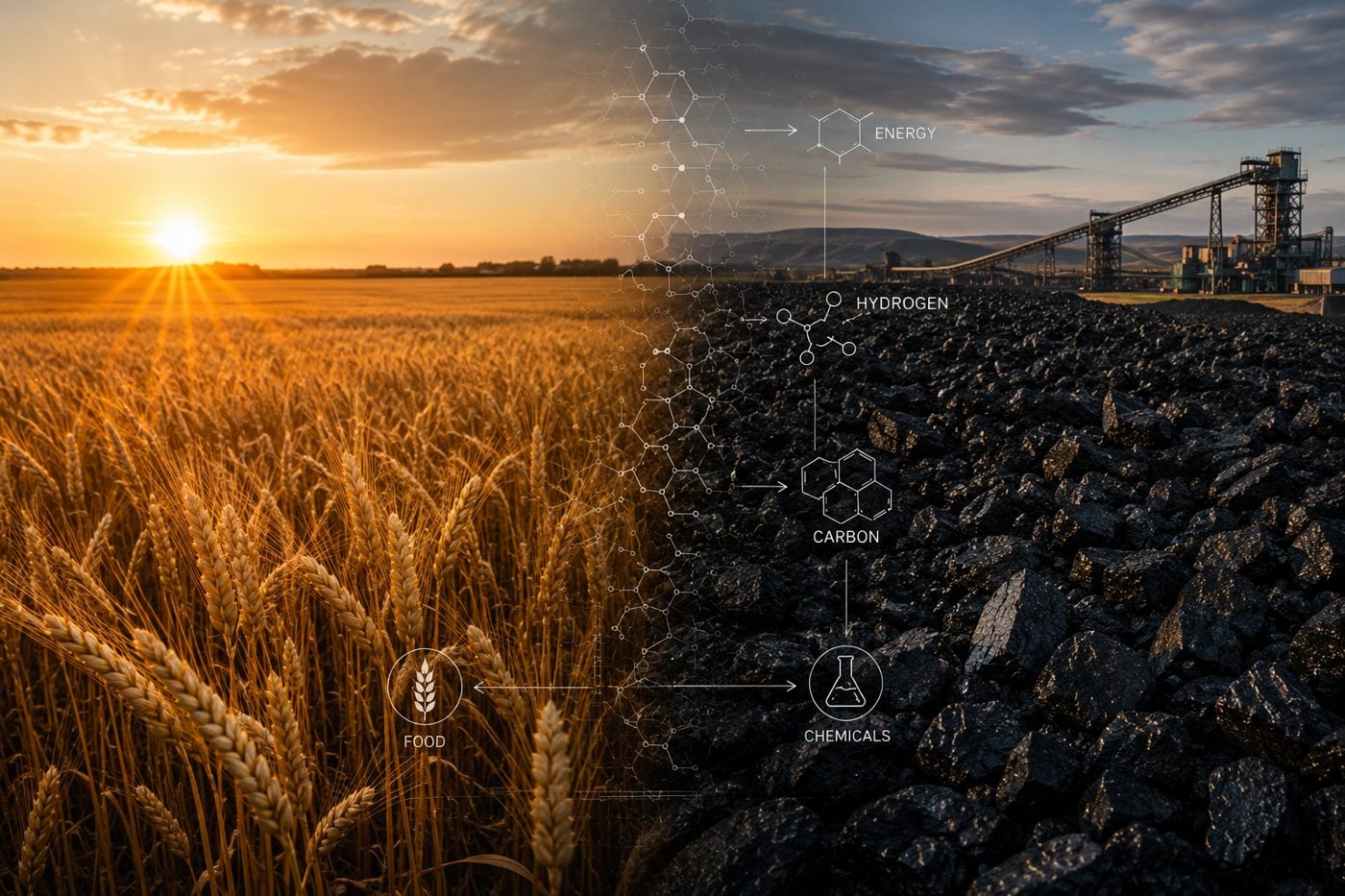
The Next Green Revolution Isn't Green
Read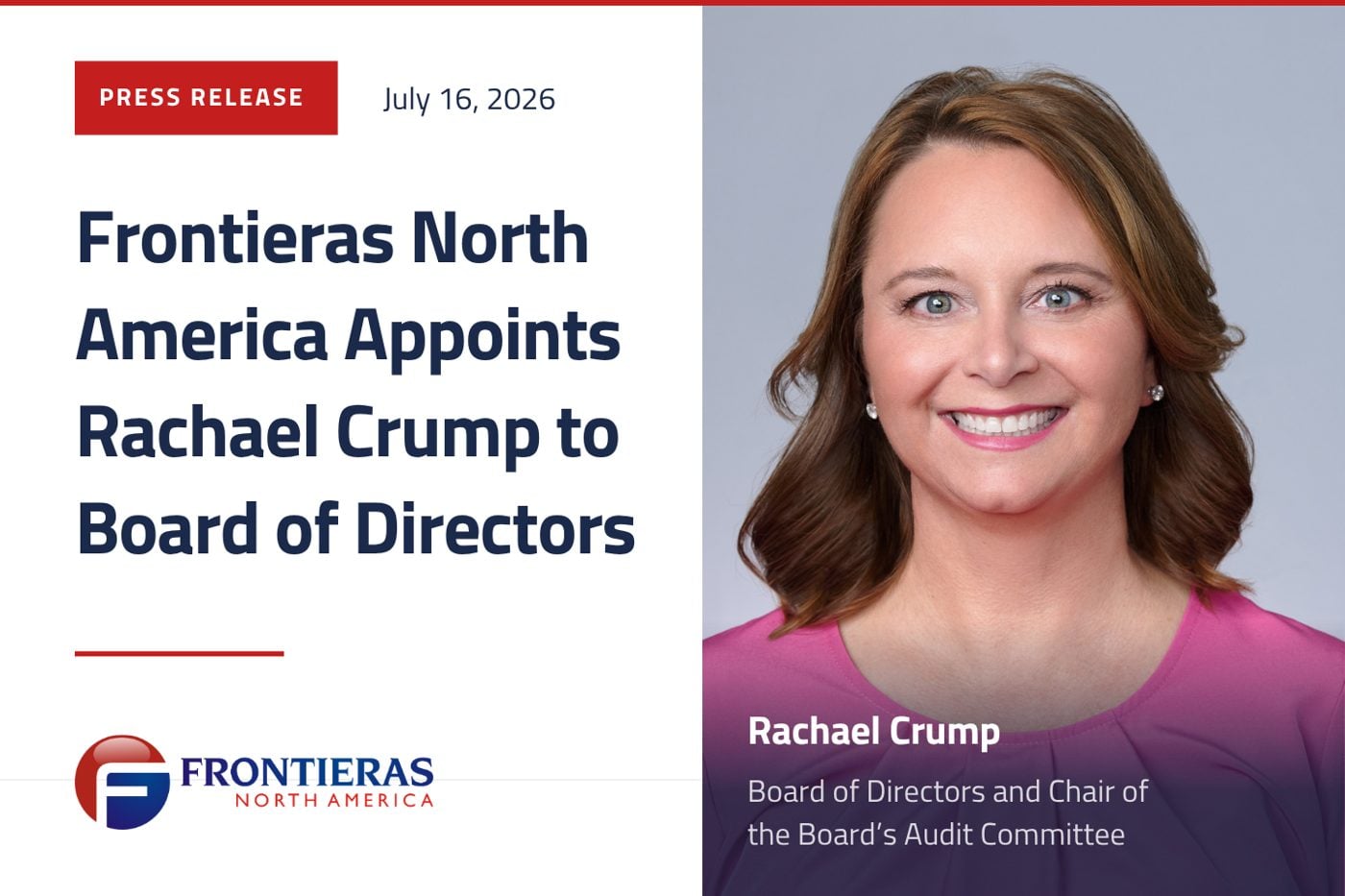
Frontieras North America Appoints Rachael Crump to Board of Directors
Read
Frontieras North America Appoints Robert Portz as Vice President, Operations & Engineering to Lead Operations at First FASForm™ Commercial Facility
Read
The Man Who Ran One of Wyoming's Most Profitable Renewable Diesel Operations Will Lead Our Mason County Plant
Read
The Robot Advantage: Why Cheap Energy Wins the Manufacturing War
Read
The Hundred-Year Stratagem: How China Used SunTzu to Take Down American Coal — and Why Mason County Ends It
Read
Frontieras breaks ground on $850 million West Virginia facility, and NAM was there for the turning of the shovels.
Read
They Killed American Coal. China Kept Theirs. Now American Farmers Are Paying the Price — and Frontieras Is the Answer.
Read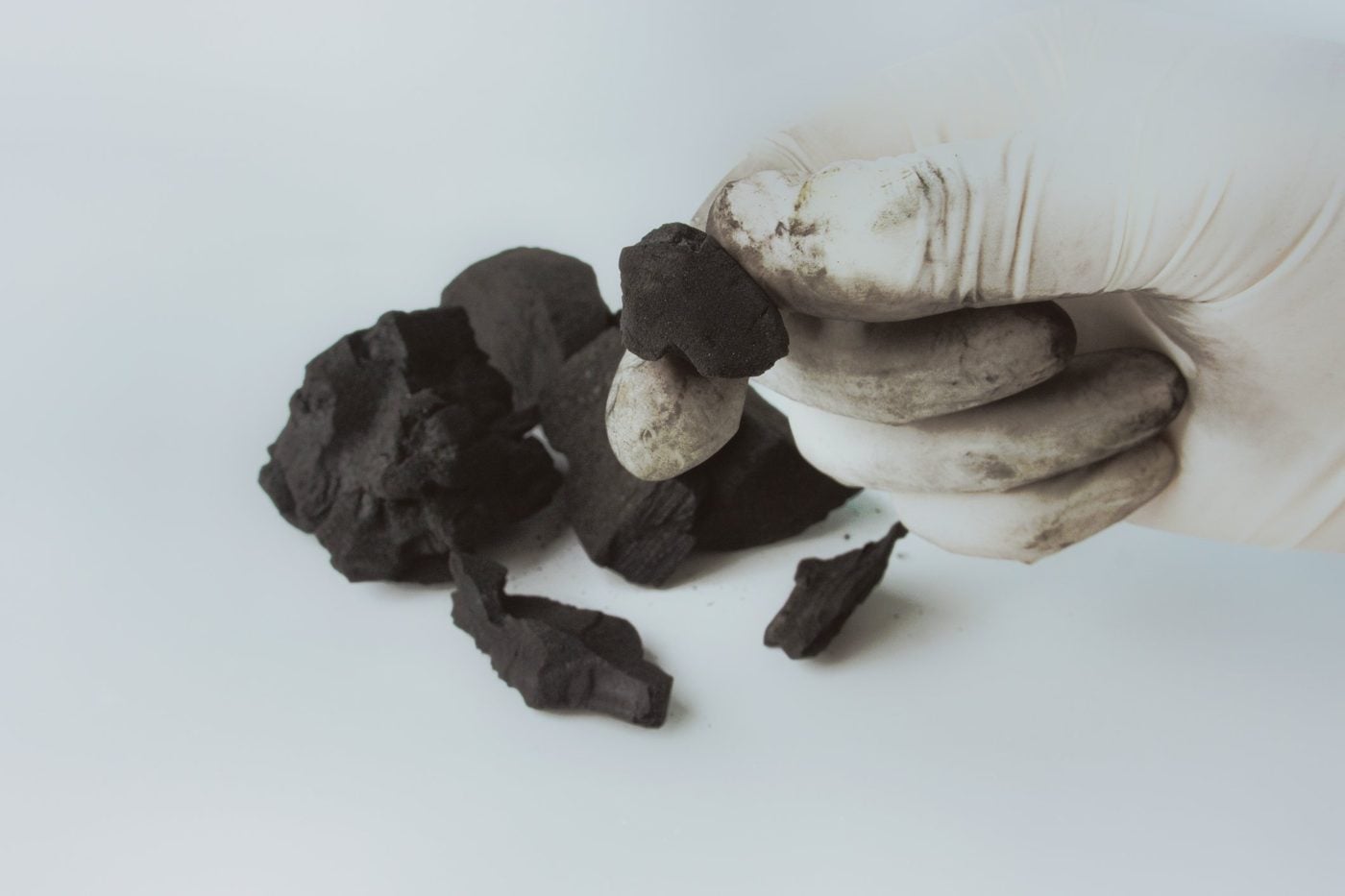
The Hardest Problem Was Making It Small
Read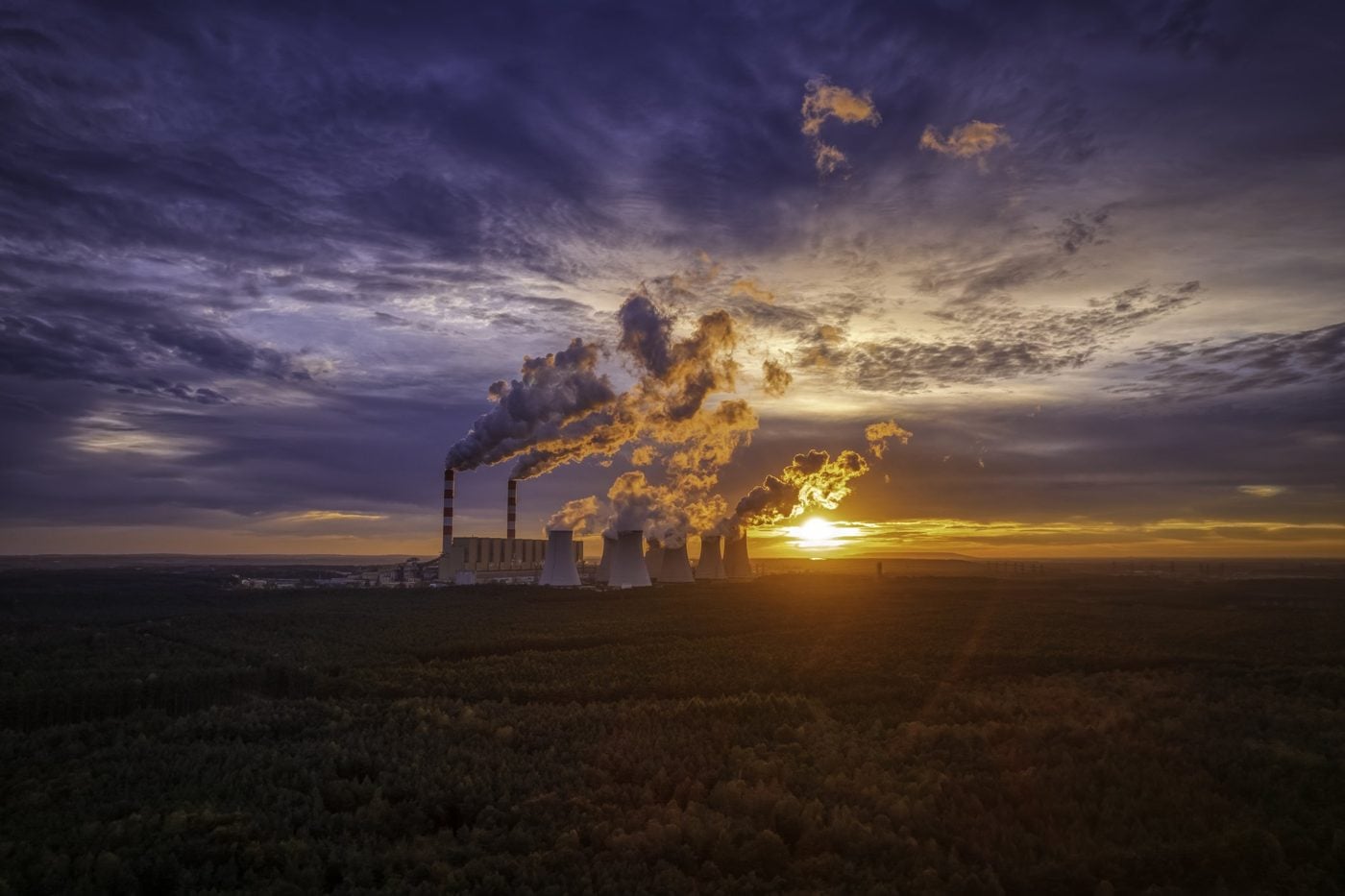
The Wrong Switch: Why Converting Coal Plants to Natural Gas Is a National Retreat
Read
"Groundbreaking on an industry": Frontieras breaks ground on Mason County coal plant
Read
Coal-based energy facility breaks ground in Mason County
Read
Frontieras breaks ground on Mason County WV coal plant
Read
Frontieras breaks ground on $850M facility in Mason County
Read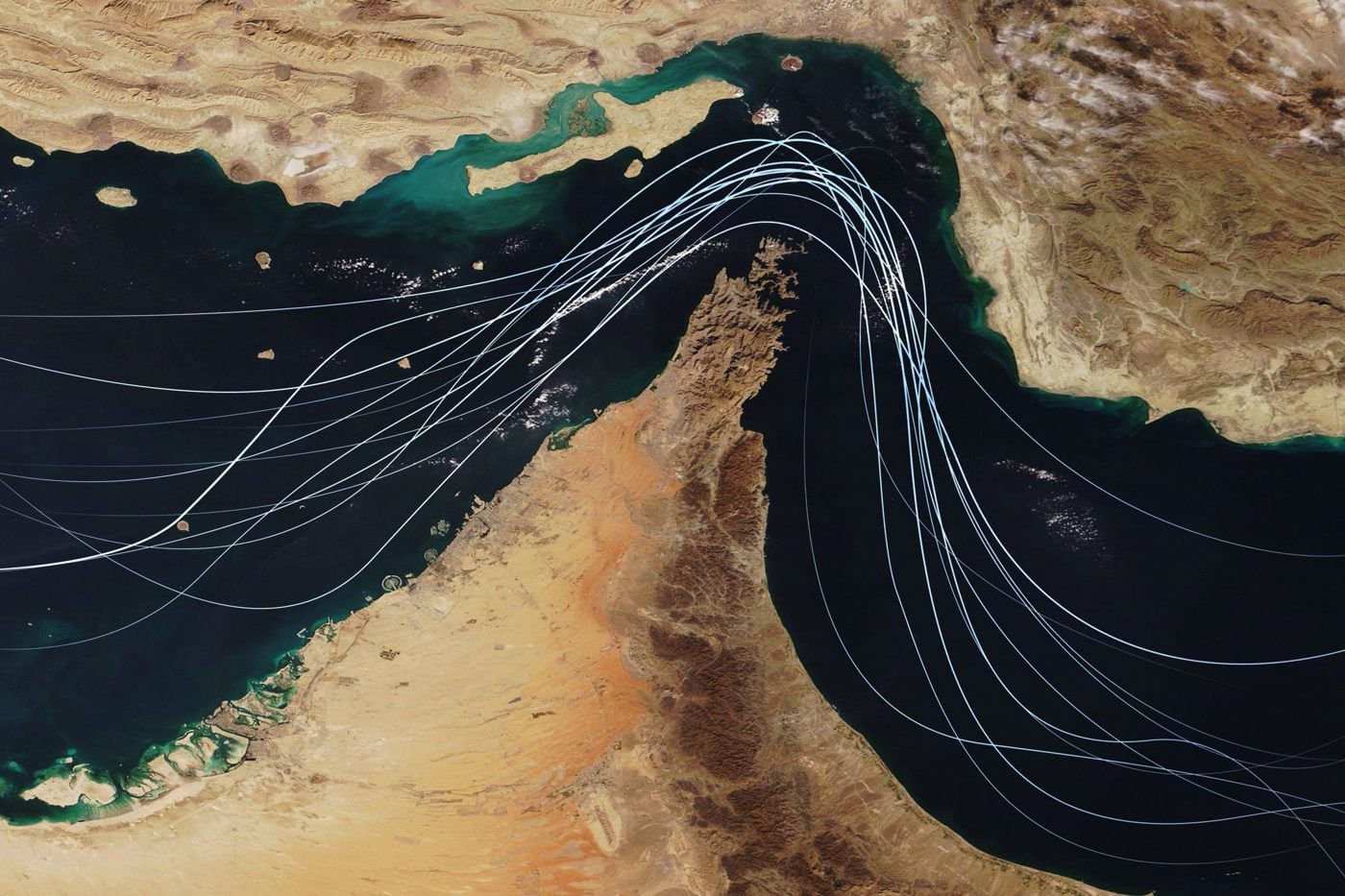
Antifragile: What the Strait of Hormuz Proves About Energy Security
Read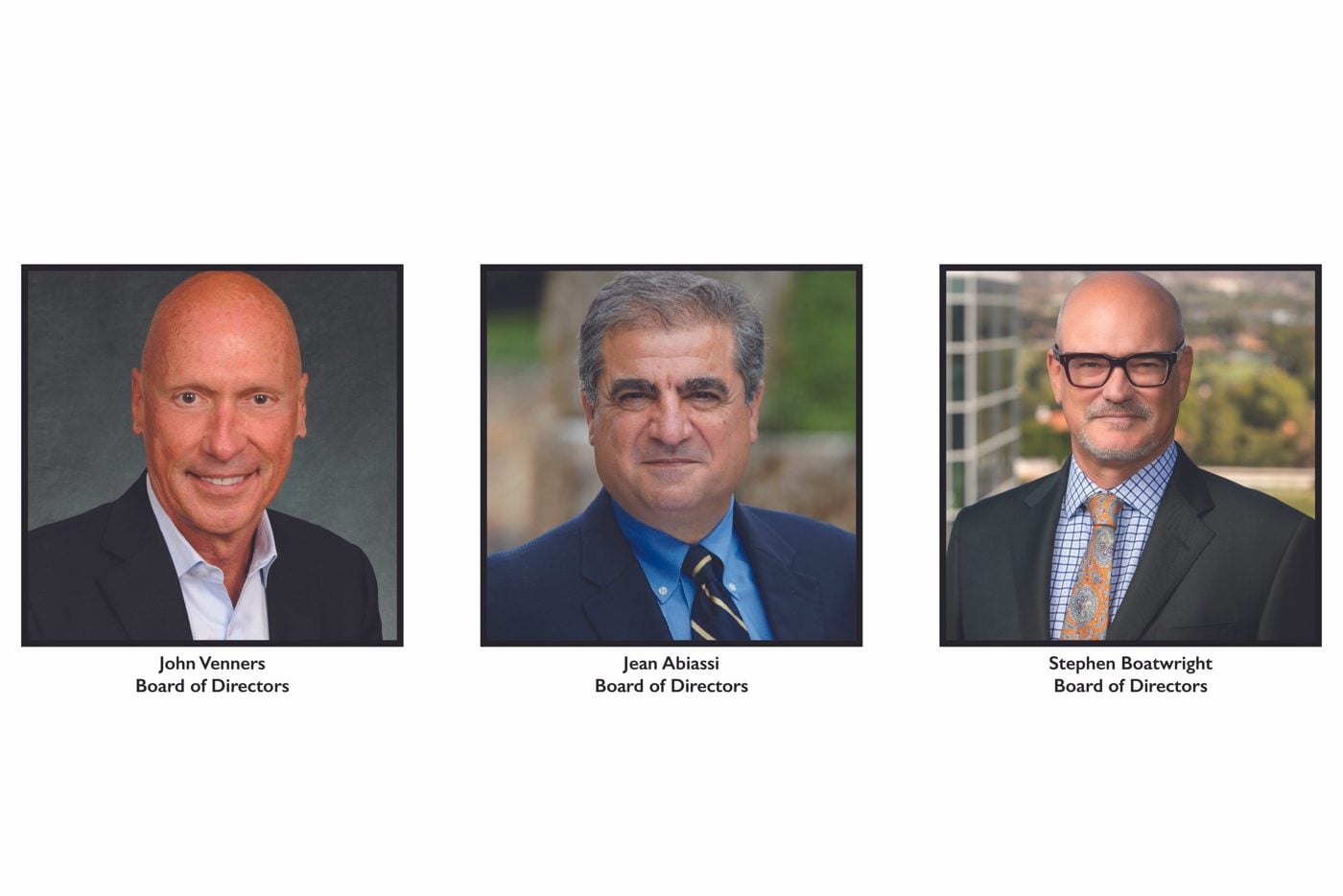
Frontieras North America Appoints Three Industry Veterans to Board of Directors
Read
Frontieras North America: A Unique Technology with an Enormous Influence
Read
Frontieras North America Announces April 2 Groundbreaking Ceremony for First Commercial FASForm™ Plant in Mason County, West Virginia
Read
Frontieras North America Appoints Seasoned Marketing Executive Nora Shepard as Vice President of Communications
Read
Coal Keeps the Lights On. FASCarbon™ Will Keep the Bytes On.
Read
Frontieras North America Launches FASGEN™: A Breakthrough Platform to Preserve, Expand, and Revalue the U.S. Coal Fleet as AI Energy Demand Explodes
Read
A Letter to the People of West Virginia and Appalachia
Read
Frontieras North America Closes on 183-Acre Site in West Virginia for $850M FASForm™ Facility
Read
$850 million coal facility coming to W.Va. expected to add 200 full-time jobs
Read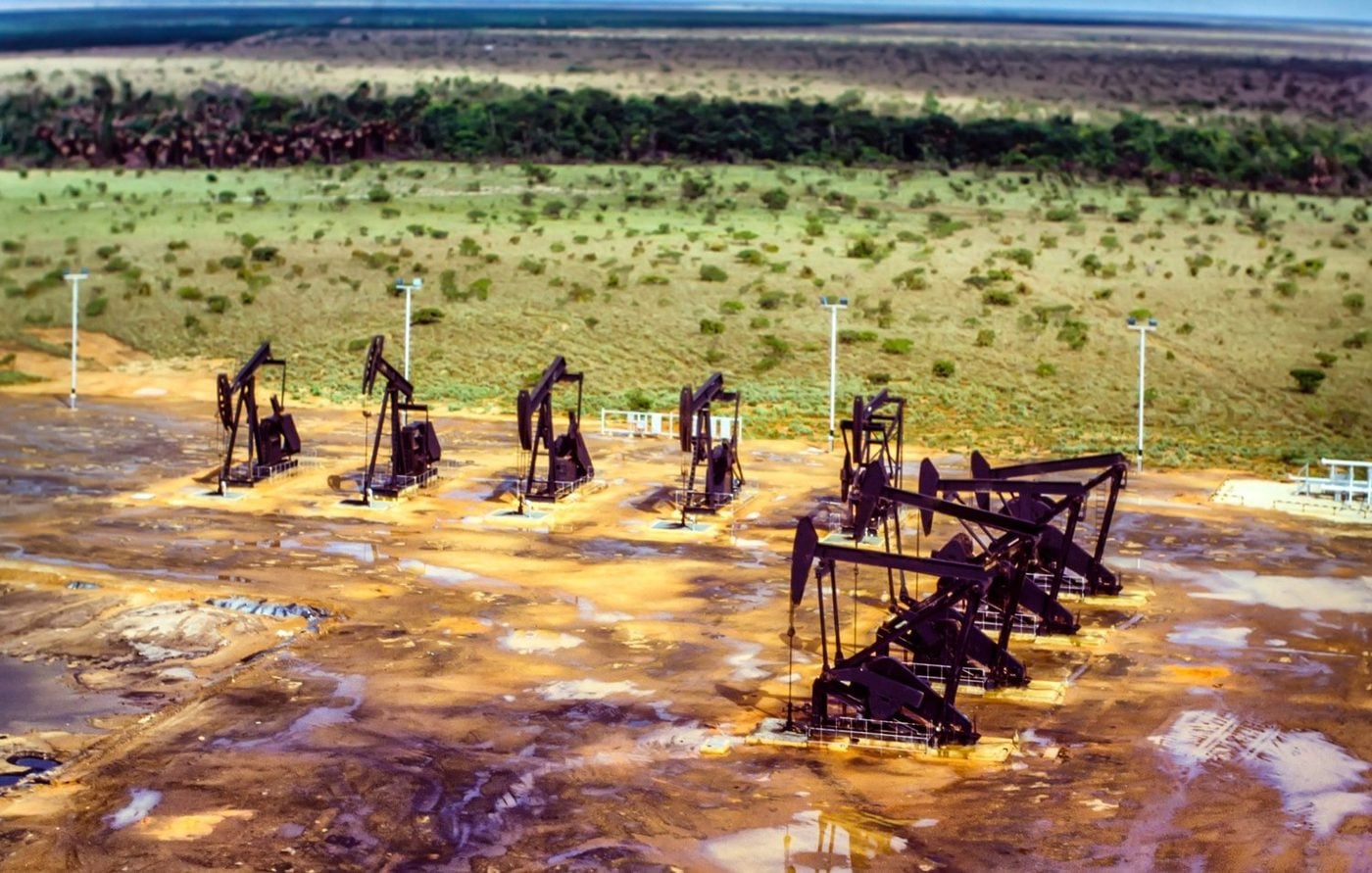
Frontieras North America And Venezuela’s Industrial Reset: Turning Heavy, Sour Crude Into Fertilizer, Fuels, and National Recovery
Read
Fueling the AI Economy: How Frontieras Powers the Next American Boom
Read
Incorporating Gordon Gekko: How A Forgotten Lesson Shaped The Management Vision Of Frontieras North America
Read
Coal’s Comeback Starts in West Virginia: What FASForm™ Means for Miners and Workers
Read
The Energy AI Needs: Frontieras’ FASForm™ Technology Delivers the Baseload Power of the Future
Read
From Theory to Breakthrough: How McKean and Witherspoon Used S.T.E.P. to Prepare Frontieras for the Big Beautiful Bill Era
Read
Frontieras Appoints Jose Lopez as Chief Financial Officer to Lead IPO Readiness and Financial Growth
Read
President Trump’s Executive Order Revitalizes US Coal Industry and Propels Frontieras North America Forward
Read
Demise of ESG: How Frontieras is Leading the Energy Revolution
Read
Frontieras’ New State-of-the-Art Energy Technology Harnesses Power of Coal to Meet Rising Energy Demands of AI and Robotics Era
Read
Letter from Frontieras’ CEO on the Impact of the Trump Presidency
Read
Frontieras North America Expands Breadth of Energy Yields with Production of Ammonium Sulfate Fertilizer
Read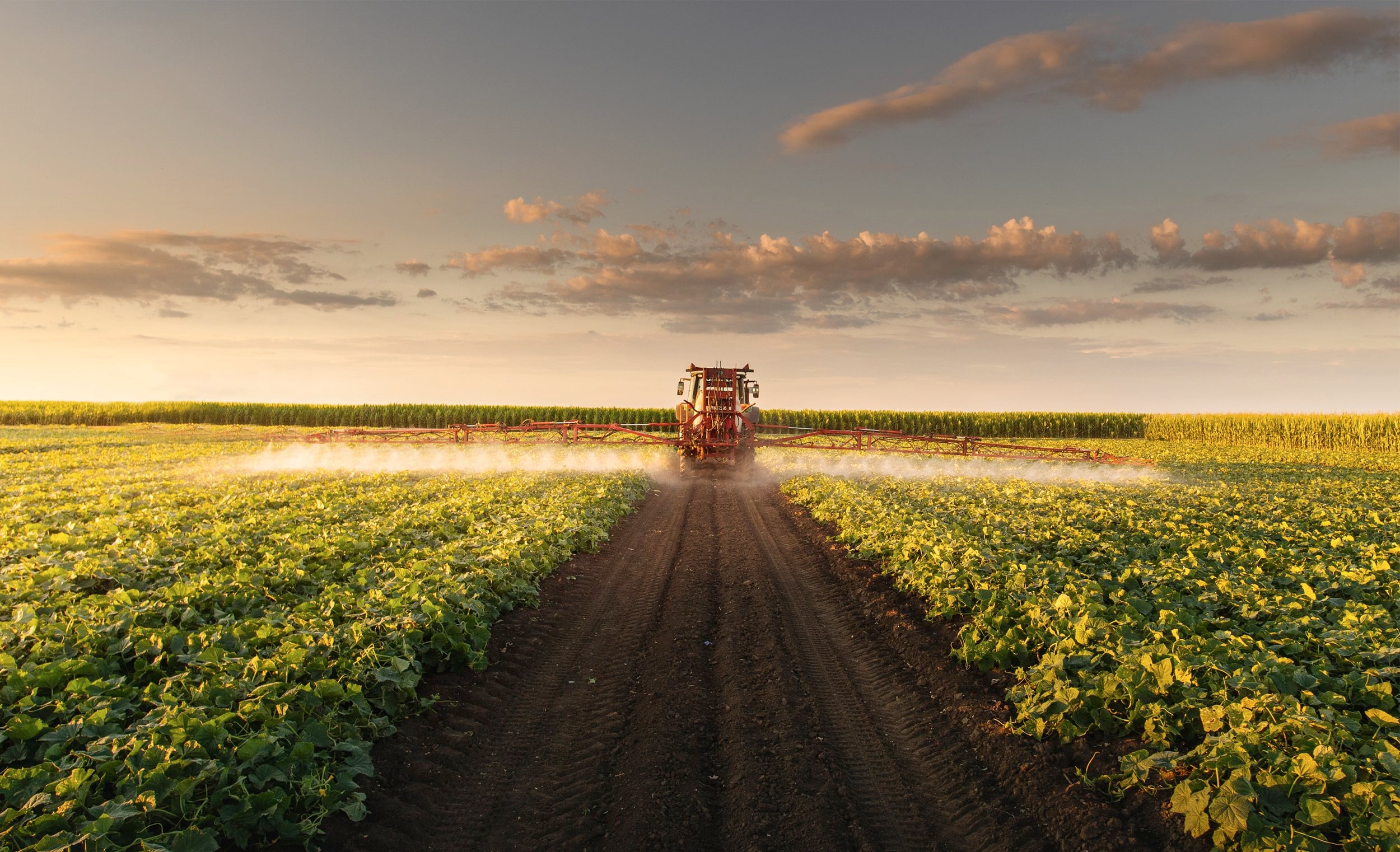
Frontieras North America Combines Volatile Byproducts of Solid Carbon Fractionation Process to Create Environmentally-Friendly, High-Value Ammonium Sulfate Fertilizer
Read
Offtake Agreements Can Provide Cornerstone for Frontieras North America to Raise Hundreds of Millions of Dollars for Large Scale Project Financing of FASForm Plant
Read
Underinvestment in the Energy Market Puts the United States (and Other Developed Countries) on the Precipice of Not Meeting the Needs of Their Citizens
Read
Upholding Energy Independence: Shell’s Pragmatic Approach to Carbon Reduction Illustrates Fallacy of Paris Climate Agreement’s 2050 Goals
Read
Beyond the Light Switch: How Energy Demand Reveals a Society’s Strength
Read
AI and Frontieras Converge As Demand for Energy Consumption Expected to Rise 10+ Fold
Read
2024 Energy Forecast: Global Adversity Creates Clarity for Frontieras’ State-of-the-Art Processing Technology
Read
2023: A Foundational Year for Frontieras North America
Read
The E2B Concept: Energy as the Backbone of Commerce
Read
Frontieras’ Clean Technology Accelerates Great American Coal Conversion
Read
Energy Investments Spark Financial Awakening
Read
A Slippery Slope: the Intertwining of Politics and Energy
Read
Holiday Blessings and New Beginnings
Read
Financial Leader Pauses ESG Support With $7 Trillion Dollar Departure
Read
The End of the Green Movement: A Retrospective Analysis
Read
Frontieras’ Clean Technology Provides a Bridge for the Global Energy Transition
Read
Energy Independence via American Exceptionalism
Read
FASCarbon’s Disruptive Innovation Creates Positive Outcomes for Multiple Markets
Read
Winter To Bring Energy Deficient Countries To Their Knees
Read
Anatomy of a Winning Leadership Team: Joe Witherspoon
Read
Frontieras’ Innovation to Protect America’s Independence
Read
Frontieras North America Straddles the Fossil Fuel vs. Clean Energy Debate with Zero-Waste FASForm Technology
Read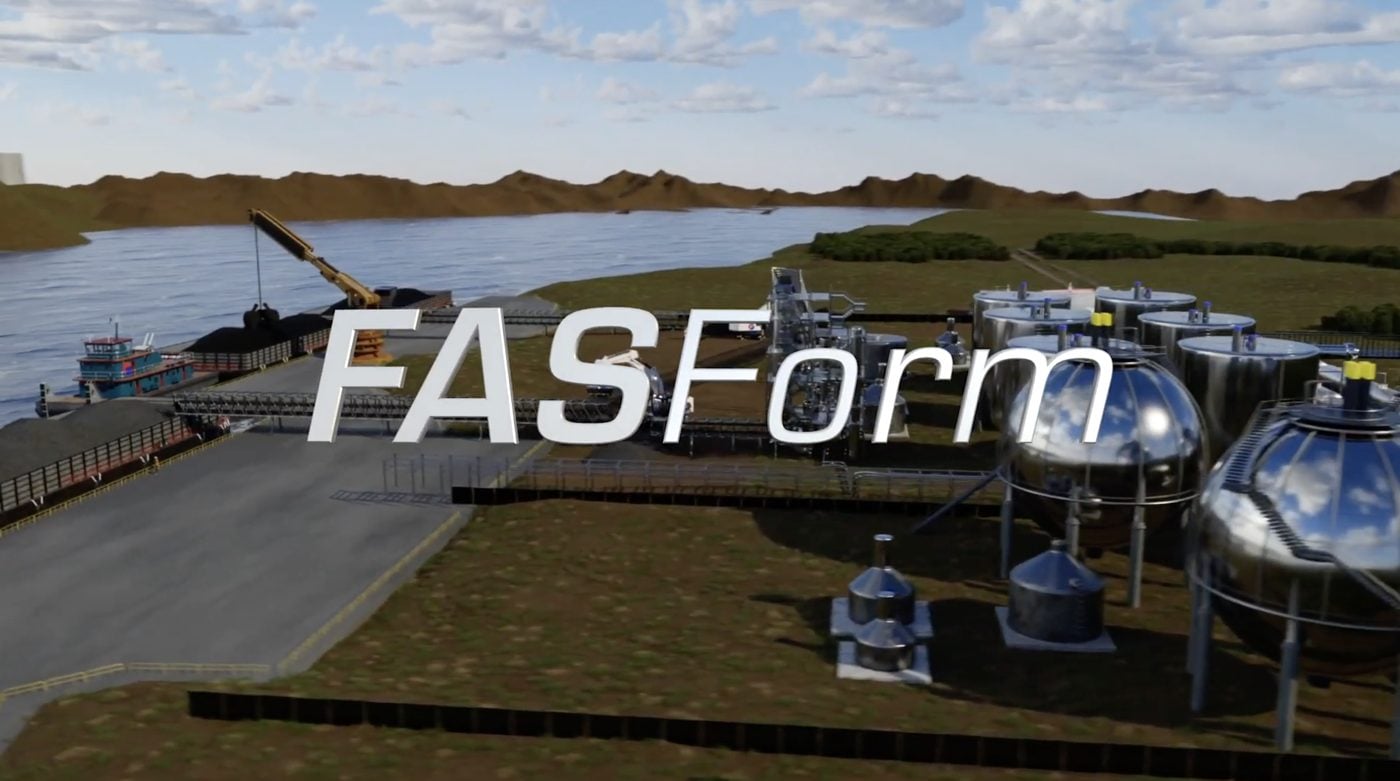
Frontieras’ FASForm™ Virtual Tour Illustrates the Impact of Technological Innovation in the Energy Sector
Read
Frontieras’ No-Waste Approach to Processing Hydrocarbons Supports a Renewed Look at Coal to Deliver Energy Globally
Read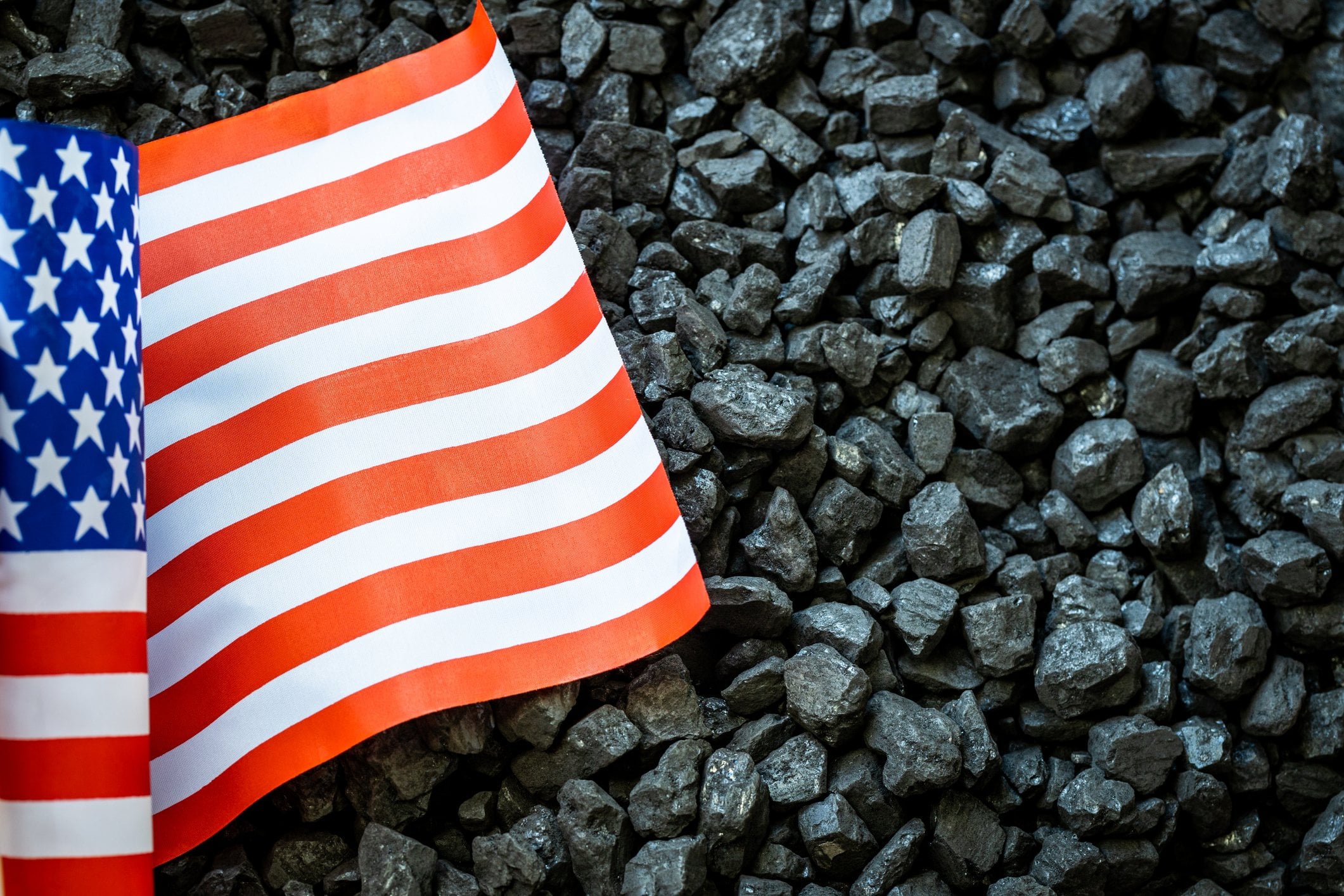
West Virginia is at the Epicenter of Today’s Energy Debate
Read
American Innovation: The Solution to Scarcity
Read
Hyperbole of Achieving “Net Zero” Climate Has Placed Us In Our Current Energy Crisis
Read
Renewables: As Ironic Today as 20 Years Ago
Read
Frontieras Positioned to Address Emerging Diesel Dilemma
Read
Energy is the Basis of Life
Read
Can Coal Technology Save the Whales... Again?
Read
Frontieras To Capitalize on FASForm’s Hydrogen Yield To Power First Commercial Plant
Read
Frontieras North America Selects West Virginia for Site of its First FASForm Plant
Read
In the Necessity Markets, Chaos Creates Clarity
Read
Frontieras North America Bolsters Management Team with Appointment of Andrea Moran As Chief Commercial Officer
Read
2022 Predictions for the Coal Industry
Read
The Politics of Energy
Read
Frontieras: A Startup 10 Years in the Making
Read
Frontieras Reaches Significant Milestone for Delivering Transformative Technology to the Energy Sector
Read
Our World is Changing (Video)
Read
Our Tech: Solid Carbon Fractionation
Read
Our Origins (Video)
Read
Frontier Applied Sciences to transform US Coal industry, announces engineering validation of its revolutionary energy and environmental technology
ReadNo results for that search.